How to Clean & Lubricate a Glock 19
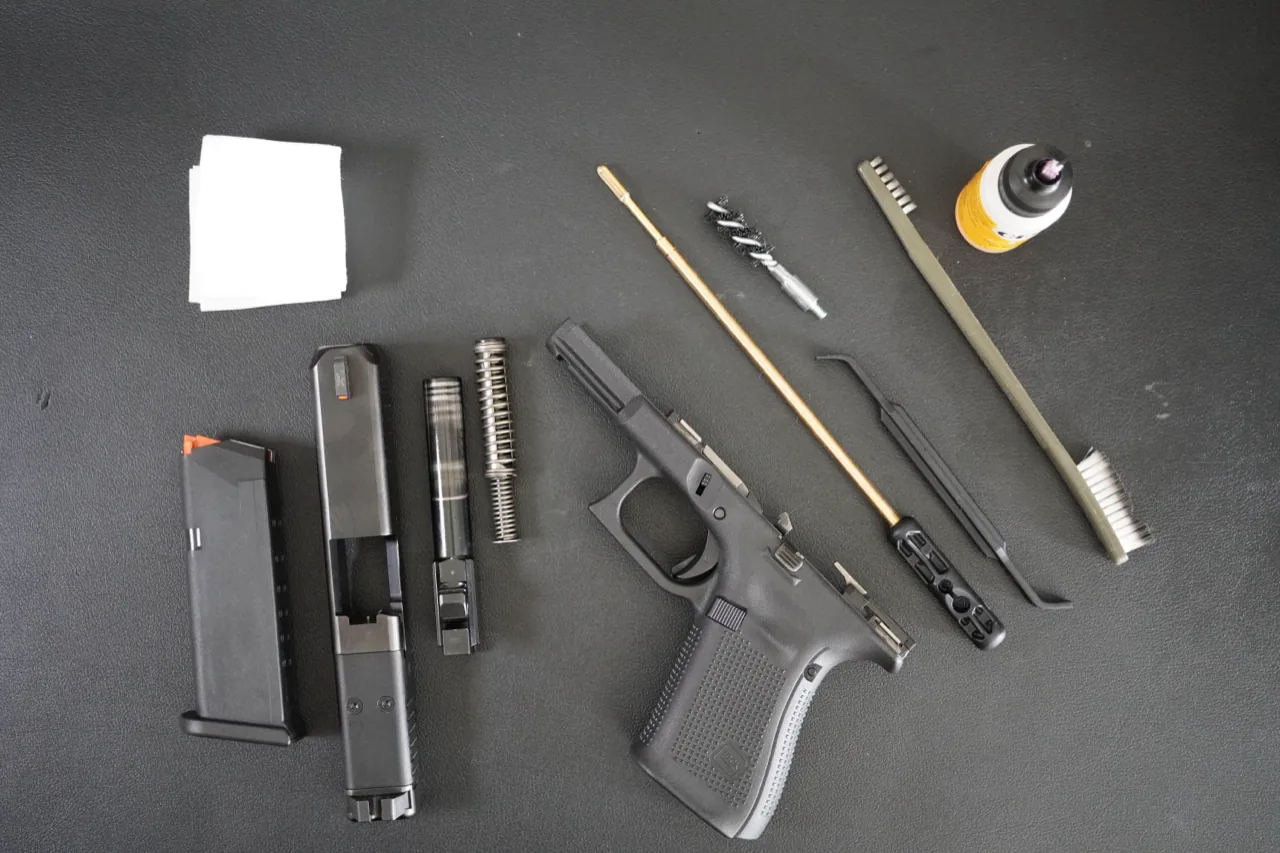
This guide covers cleaning and lubricating the Glock 19 after a field strip. The same procedure applies to the Glock 17, Glock 19X, Glock 26, Glock 45, and other Gen 5 pistols. It follows the official GLOCK owner manual — for the latest factory diagrams, download it from GLOCK's downloadable materials page.
If you haven't field stripped the pistol yet, start with the Glock 19 disassembly & reassembly guide. Once it's apart, the cleaning itself is simpler than most new owners expect: brush out fouling, wipe down old lubricant, add a light film of gun oil in the right spots.
Before You Start
Field strip the pistol into its five main components:
- Slide
- Barrel
- Recoil spring assembly
- Frame
- Magazine
You'll want these basic supplies:
- Cleaning patches
- A soft cloth
- A cleaning rod
- A proper-caliber bore brush (9 mm for the Glock 19)
- A nylon cleaning brush
- Gun oil or another firearm-safe lubricant
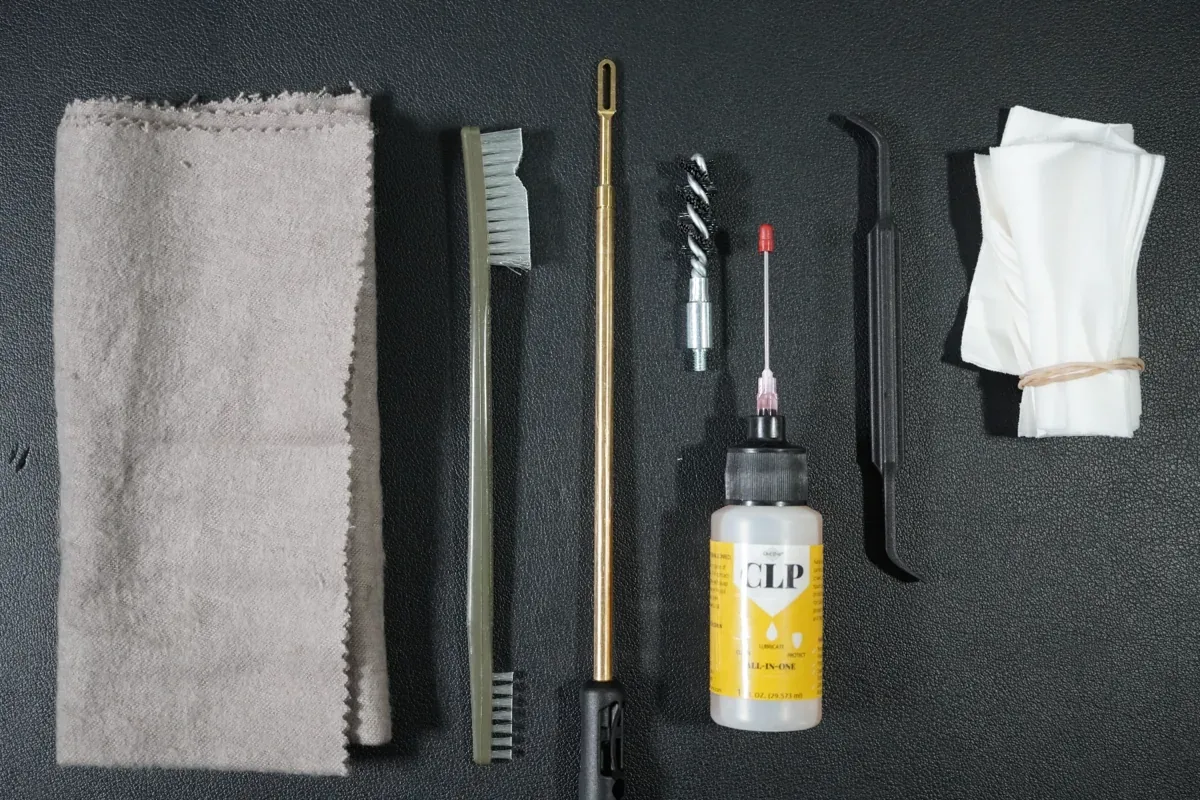
Keep ammunition away from the cleaning area. The GLOCK manual also says the pistol should be cleaned and lubricated when brand new, before it is fired for the first time.
3 Principles to Remember
If you only remember three things from this guide, make it these:
- Less oil is better. A light film is the goal — too much attracts dust and runs into places it shouldn't.
- Keep oil out of the firing pin channel. Excess oil there can cause light primer strikes.
- The bore stays dry for normal use. Use a lightly oiled patch only if you're putting the pistol into long-term storage, and run clean patches through the bore before firing.
Part 1: Clean the Barrel
Clean the barrel from the chamber end, not from the muzzle.
Step 1. Run a patch wet with gun oil or lubricant through the bore several times.
Step 2. If needed, use a bore brush from the chamber end to loosen fouling.
Step 3. Run another wet patch through the bore. Repeat until it comes out clean.
Step 4. Run a clean patch through the bore.
Step 5. Brush the outside of the barrel with lubricant, then wipe it dry.
If you're putting the pistol into long-term storage, run a lightly oiled patch through the bore. Before firing again, run clean patches through the bore until they come out with no oil or lubricant on them.
Part 2: Clean the Slide
Focus on the areas that collect the most residue:
- The slide rail cuts
- The breech face
- The area under the extractor claw
Step 1. Use a nylon brush with a little lubricant on the slide rail cuts to loosen any carbon and old oil.
Step 2. Clean the breech face and the area under the extractor claw with the same brush.
Step 3. Wipe everything down with a patch or soft cloth.
If your pistol is new, the manual says the copper-colored factory lubricant on parts of the slide should not be removed.
Part 3: Clean the Frame
Wipe the exposed parts of the frame with a clean, soft cloth slightly dampened with lubricant.
You do not need to flood the inside of the pistol with oil. A light wipe is enough.
Part 4: Lubricate Lightly
Apply only a light film of gun oil to:
- The outside of the barrel, including the barrel hood and locking areas
- The inside top of the slide where the barrel hood rubs
- The front opening of the slide where the barrel passes through
- The trigger bar to connector contact point
- Each slide rail cut
- The outside of the slide
That's the complete list. Do not put lubricant inside the firing pin channel.
Part 5: Reassemble
Reassemble the pistol — use the field strip guide for the sequence if you need it. Cycle the slide a few times and wipe away any excess oil.
If the pistol looks wet rather than lightly wiped down, you've used too much lubricant. Wipe some off.
That's it. After a few cleanings the whole sequence takes about 15 minutes. The principles to keep in mind are the same three you started with: less oil is better, keep oil out of the firing pin channel, and don't leave the bore oiled outside of long-term storage.
Keep reading
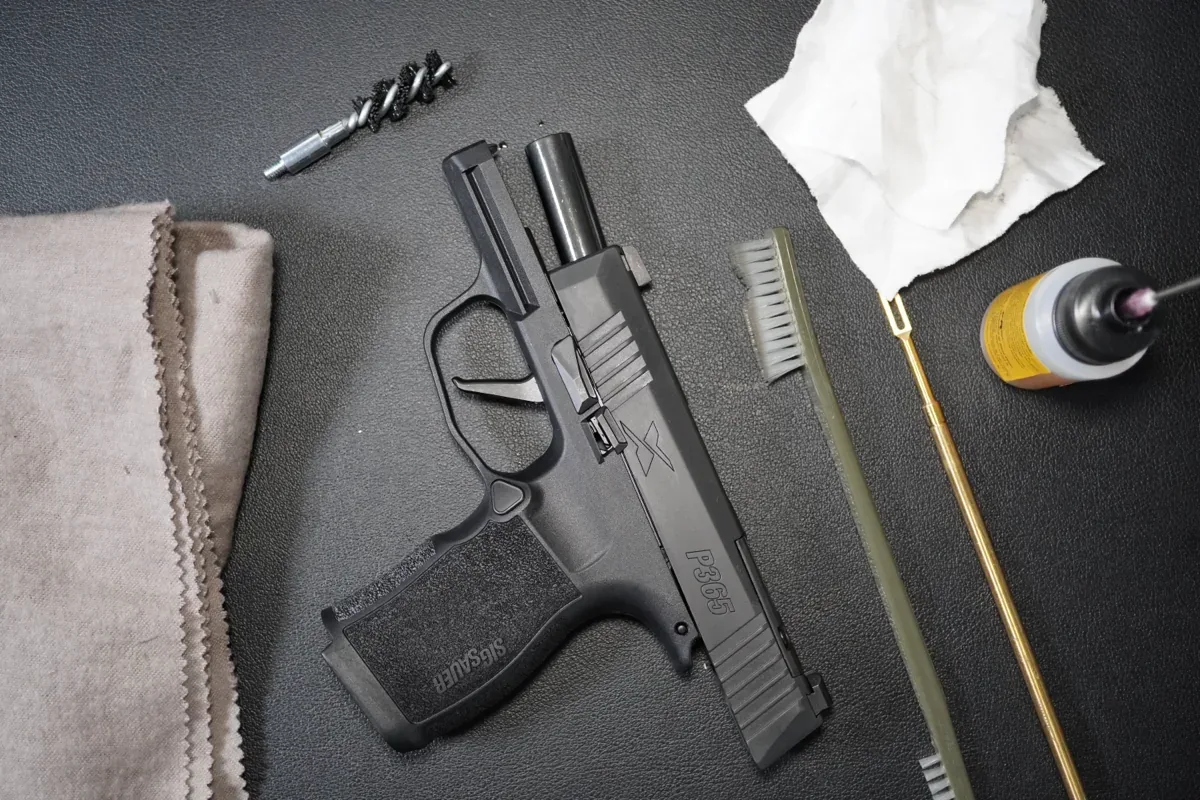
How to Clean & Lubricate a P365
A concise beginner-friendly guide to cleaning and lubricating the SIG Sauer P365 after field stripping it, based on the operator manual.
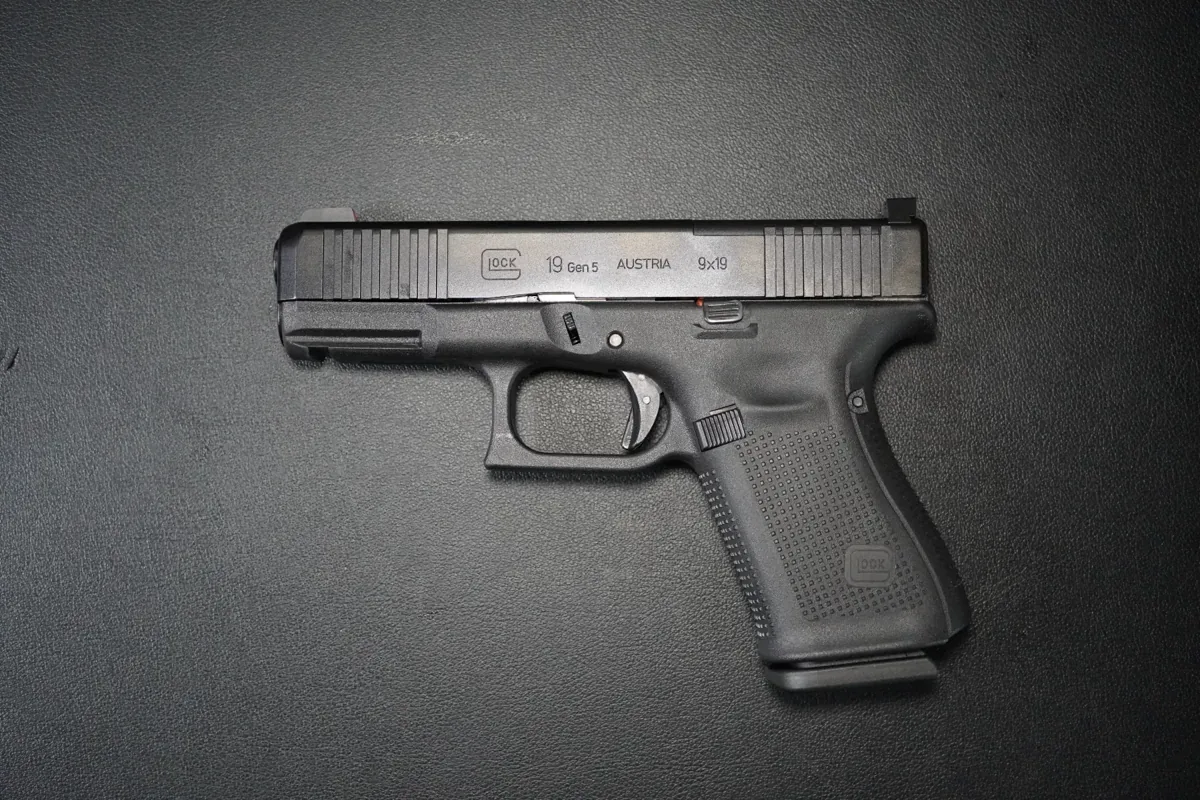
How to Field Strip a Glock 19 (Disassembly & Reassembly Guide)
Step-by-step beginner's guide to field strip and reassemble the Glock 19 — no takedown tool required. The same steps apply to the Glock 17, 19X, 26, and 45.